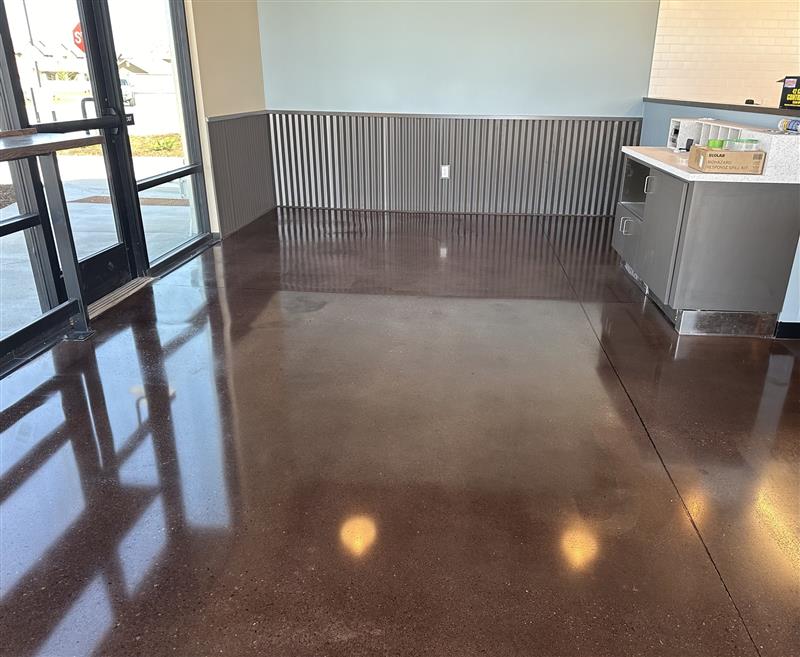
Thinking about resin flooring? Good choice. It looks great and lasts a long time, but only if you do it right. And doing it right starts before the resin arrives. We are talking about space preparation.
If you're a homeowner upgrading your basement, a real estate investor fixing a house, a business owner needing floors for your shop, or even a property manager or builder in Castle Rock, listen. This part is important.
Resin flooring is only as good as what’s underneath. If the subfloor is cracked, uneven, or full of dust, the resin will show those problems. You'll get a floor that looks bad and won't last. No one wants that.
Installation is more than just putting down new material. Want to hire Local Flooring Contractor Castle Rock for your home renovation.. It establishes the base. You must make sure the surface is clean, dry, and ready. This means grinding down problems, filling cracks, and maybe applying a primer to help the resin bond. This makes or breaks the project. Skip prep, and you're wasting money. I've seen it happen. People get excited about the floor and forget that the base is most important. Don't be that person.
Resin flooring is a great option, and it's becoming more popular. Durability is a big advantage. It can handle heavy use, impacts, and even spills. This is great for businesses, but also for homes. Plus, it looks amazing! You can get resin flooring in many colors and styles, so it’s very versatile.
From a design view, you can customize it to fit your style. This makes it great for homeowners wanting a modern look or business owners needing a professional image. It also works for property managers seeking something that lasts and looks good for renters.
There are a few main types of resin flooring. Epoxy is likely the most common. It's known for its strength and resistance to chemicals. Polyurethane is more flexible and better at handling temperature changes. This makes it a good choice for places that might experience movement or extreme temps. Knowing the differences helps you pick the right one. Getting the right type installed correctly will save you trouble later.
Before pouring resin, you must clean the entire area. Make it spotless. Dust, debris, or existing coatings will interfere with the resin's grip and cause problems. Vacuum everything, then use a degreaser to remove oils or residues. Skipping this step can cause bubbles, peeling, or an uneven finish. A clean surface is important.
Cracks, holes, and other flaws must be fixed before applying resin. Resin flooring isn't magic; it will highlight any damage. Use a concrete patch or filler to fix any cracks or holes, making the surface smooth. Let the repair material fully cure per the instructions before moving on. Ignoring these repairs will hurt the look of your new resin floor, costing you time and money.
Resin needs a level surface. Uneven surfaces will cause an uneven resin coating, which looks bad and can create weak spots. Use a self-leveling compound to fix any dips or slopes in the floor. Apply it per the product's instructions, and use a gauge rake to spread it evenly. A level surface means consistent resin thickness and a pro finish. Without this step, your floor will look amateurish and may crack.
Priming helps the substrate and the resin stick together. Pick a primer made for resin flooring and the substrate you're using. Apply the primer evenly, following the instructions for coverage and drying time. A good primer creates a chemical bond, stopping the resin from peeling or blistering. Skipping the primer is a common mistake that can cause failures. Don't skip this step.
Surface preparation is key to a good resin flooring install. This means more than just cleaning. It often means profiling the surface to create a mechanical bond. Grinding or sanding the surface makes tiny grooves that the resin can grip. The amount of profiling depends on the surface and the resin. Without good surface preparation, the resin may not stick, leading to delamination and other problems. This is a key step.
Before you pour resin, make the floor spotless. Think hospital-room clean. Dust, debris, and old coatings must go. If you skip this, the resin will not bond. Expect bubbles, peeling, or a weak floor. No one wants that.
Vacuum after each step. Don't sweep, or you'll move dust. A HEPA vacuum works best. Wipe surfaces with a tack cloth to grab any particles. Poor prep means a do-over. No one wants to waste time and money.
How you clean depends on the surface. Concrete is common. For concrete, grind, shot blast, or acid etch to open the pores. This helps the resin grab on. Wood needs sanding to remove old varnish or paint. Vacuum every bit of sawdust. Tile is tricky. You might go over it, but the tiles must be solid. Remove any loose tiles. Then, grind the surface to add texture.
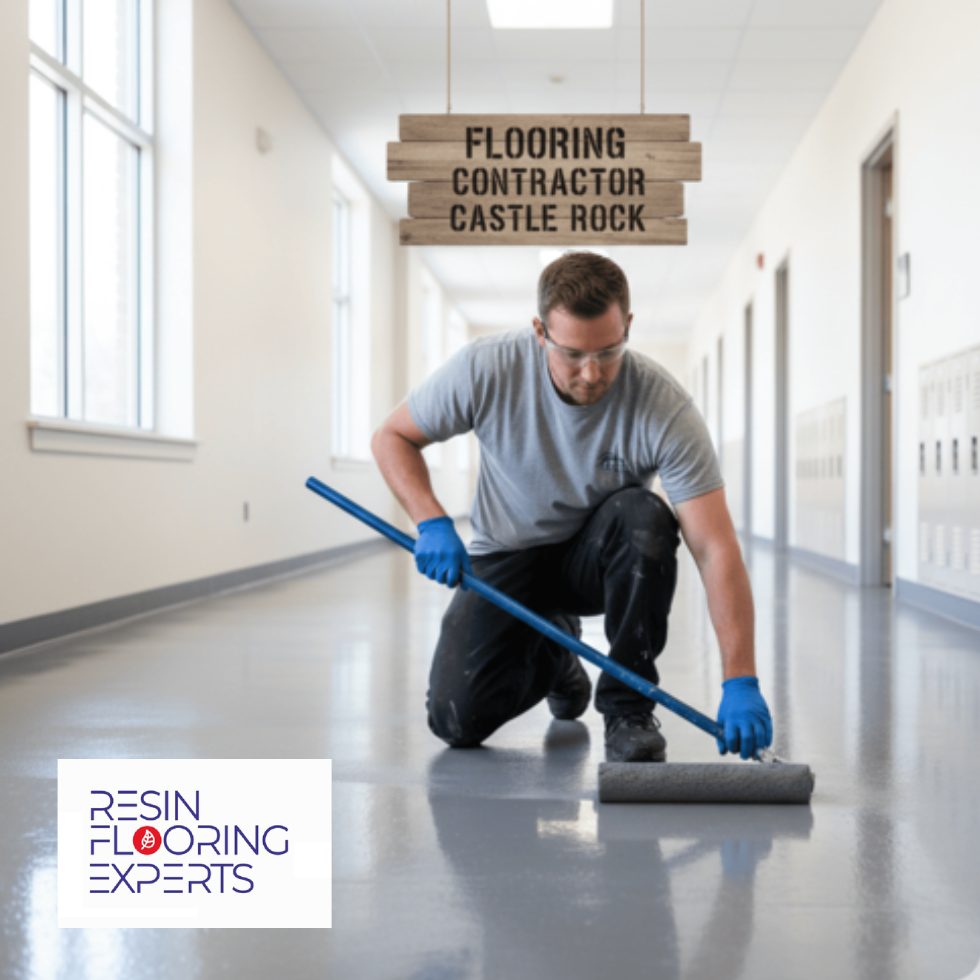
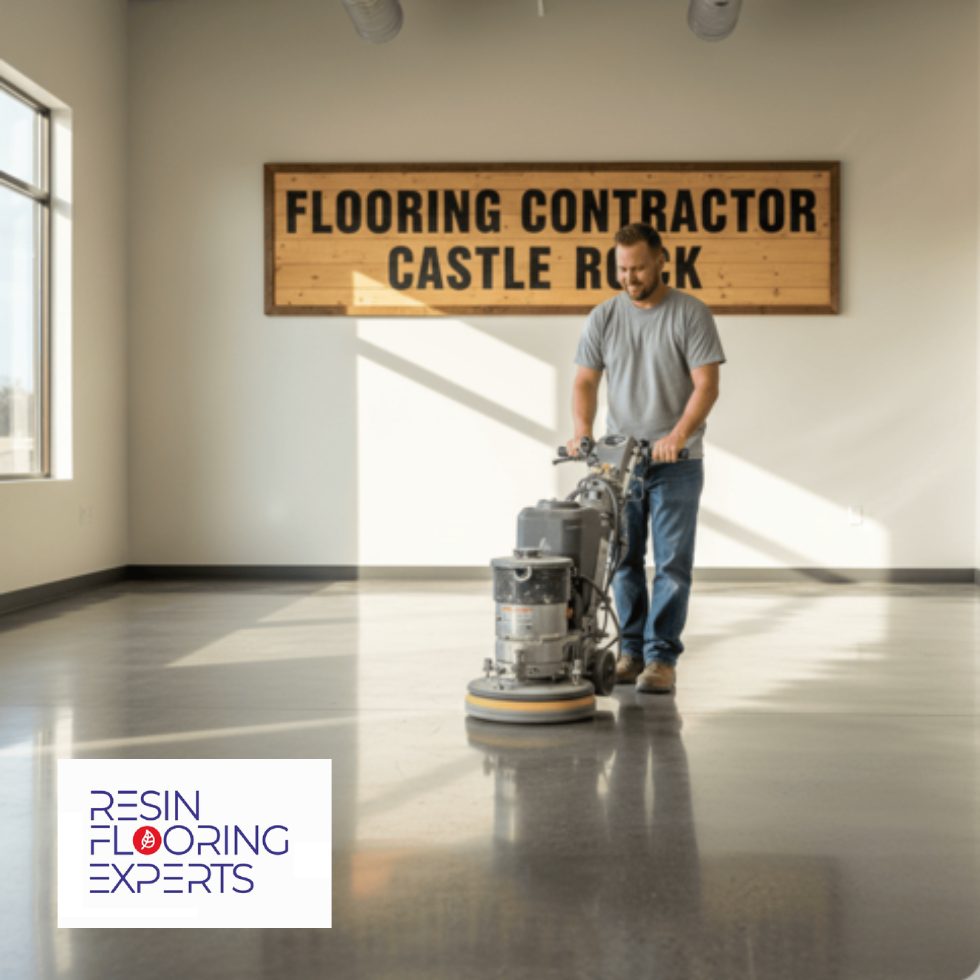
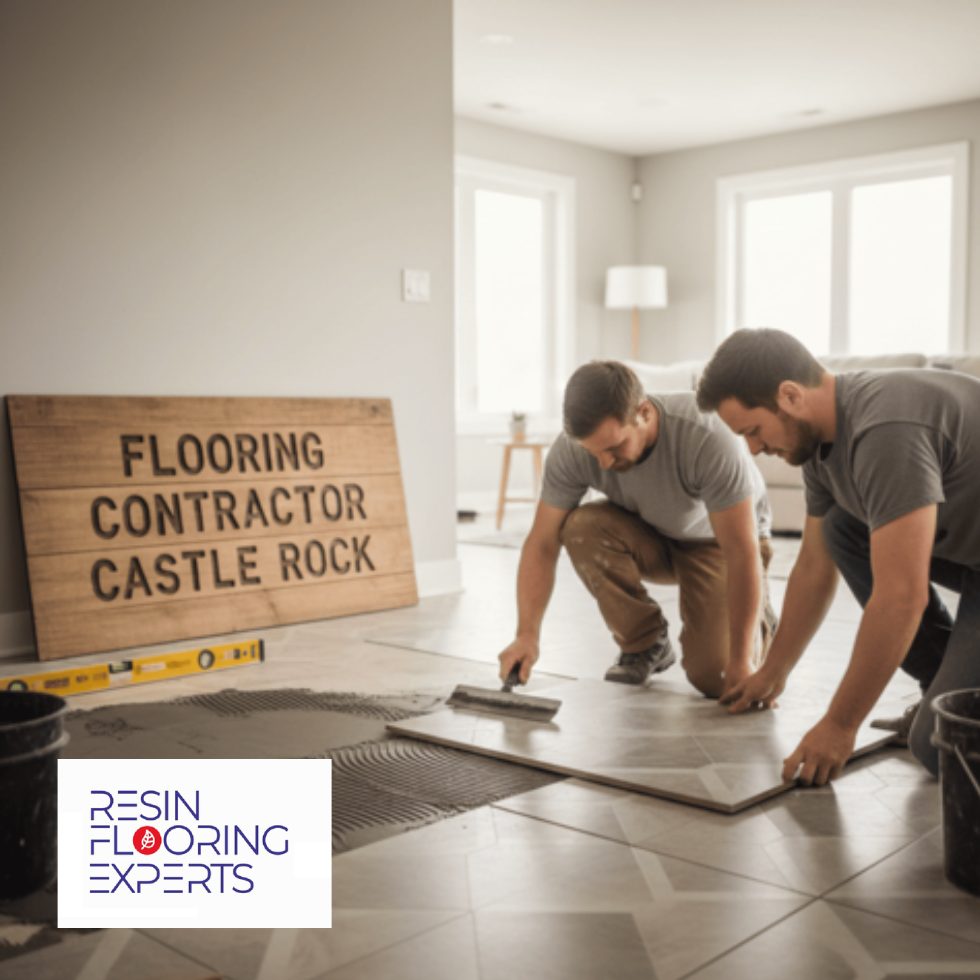
Before pouring resin, deal with any cracks, chips, or other flaws in the existing floor. Many people mess up here. If your surface isn't smooth and even, the resin will highlight those flaws. It won't magically fix them.
For small cracks, an epoxy filler usually works. Clean out the crack, apply the filler, and smooth it. Let it cure before moving on. For bigger damage, like missing chunks or large cracks, you need a concrete patching compound. These are stronger and can handle bigger repairs.
Technique matters. Don't just slop the stuff on. Prepare the area. Clean it and maybe use a bonding agent to help the patch stick. Follow the maker's directions for mixing and putting it on. Let it fully cure.
Here is why this matters. If you skip this, the resin could crack or come apart over time, especially in busy spots. You'll have a floor that looks bad and costs more to fix later. A smooth, even surface is key for a good resin floor. Don't skip the prep work!
Before pouring resin, level your subfloor. It is the foundation. If it is off, your resin will be too, and you will end up with an uneven mess. No one wants that.
How do you know if it is level? Get a spirit level. A long one works best. Check the floor in several directions. You can also use a laser level for larger areas. Look for dips, humps, and cracks. If you see anything more than 1/8" difference over a 10-foot span, you have work to do.
Self-leveling compounds can help. Mix it up following the instructions. Pour it out, and it will spread. You might need a gauge rake to help guide it and pop any bubbles. Let it cure before moving on.
Sometimes, you need to grind down high spots. A concrete grinder with a diamond grinding wheel works for this. This gets dusty, so wear a mask and seal off the area. Go slow, check your progress, and do not overdo it. You do not want to create new low spots!
If you skip this step or do it poorly, your resin floor will look bad, and it could even crack. Leveling is not glamorous, but it is important.
Prime the floor before you add resin. Do not skip this step. Primer helps your subfloor and the resin stick together. Without it, the resin might peel, bubble, or not bond the right way. You don’t want that.
Not all primers are the same. Different surfaces and resins need different primers. For concrete, use an epoxy-based primer. This type gets into the concrete pores and creates a solid base. For wood, try an acrylic primer that is more flexible. If you use a polyurethane resin, be sure your primer works with it. Some primers react badly with certain resins and make a mess.
How you put it on matters. You want an even coat, so use a roller or a brush based on the area size. Do not glob it on. Thin, even layers work best. Two coats are often better than one thick one. Always let the primer dry before you pour the resin. Read the maker's directions for drying times because they change. If you hurry, the resin will not bond right, and all your work is wasted. Priming helps the resin floor last and look good.
Prepping a space for resin flooring? You will run into some challenges. Moisture is a big one. You can't put resin on a damp surface. It won't stick, or it will bubble and peel. Get a moisture meter and test the concrete. If it's too high, figure out why. Is it a leak? Bad drainage? You might need a vapor barrier or a dehumidifier before flooring.
What about old flooring or coatings? Paint, old glue, whatever has to go. Grinding works best. You can rent a concrete grinder, but for a big job, hiring someone is smart. They'll have the right equipment and know-how. Plus, all that dust is a pain.
You'll also find problem areas. Cracks, uneven spots, places where the old flooring stuck. Patch these with a concrete filler or self-leveling compound. Don't skip this! Resin flooring shows every imperfection. Take your time, let the patch dry, and sand it smooth. Do this right, and the resin will look great and last. If not, you'll be doing it again.
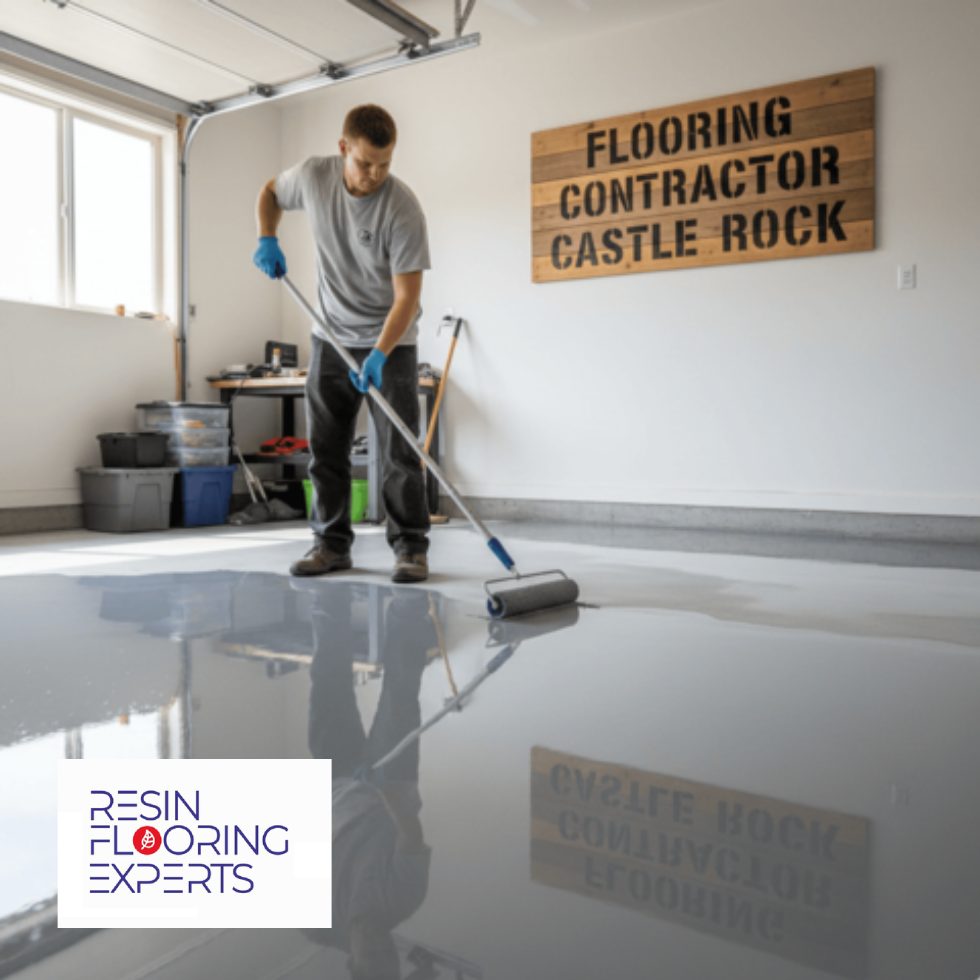
Prepping a space for resin flooring? Here is what you will need. We will break it down by steps. Do not skip the safety gear.
**Surface Prep:** First, get the floor clean and level. You will need a concrete grinder with diamond grinding pads (start coarse, go finer), a heavy-duty vacuum with a HEPA filter, a scraper for any stuck-on gunk, and a self-leveling compound if the floor is not even. Grab a mixing bucket and drill with a mixing paddle for the self-leveler. For safety, get safety glasses, a respirator mask, and ear protection.
**Priming:** Primer helps resin stick. You’ll need the right primer for your resin type (epoxy, polyurethane, etc. Check the resin maker's specs!), a paint roller with extension pole, paintbrushes for edges, and a mixing container. Gloves are a must.
**Resin Application:** Now for the fun part. Get a resin mixing bucket, a drill with a mixing paddle, a notched squeegee to spread the resin evenly, a spiked roller to remove air bubbles, and resin shoes so you can walk on the wet resin. And of course, the resin itself! Make sure you have enough, and always mix per the maker's directions. Measure carefully. More safety gear: gloves, safety glasses, and a respirator. Resin fumes are not safe.
So, you want resin flooring. Nice. First, you must get the space ready. You can do it yourself, or you can hire someone. Let's look at both options.
DIY prep *can* save money at first. If you are good with your hands, know how to patch concrete, and clean well, you can do it. But resin flooring shows all surface flaws. Dust, cracks, or uneven spots will show. This can ruin the whole floor. Plus, you must rent or buy special tools like grinders and vacuums with HEPA filters. Did you include that in your budget?
Hiring a flooring expert means you pay for skill and experience. They have the right tools. They know how to prep surfaces. They can see problems you might miss. Yes, it costs more at first. But a bad DIY job could mean redoing the whole floor. That costs even more.
Consider the size and difficulty of your project. A small garage? DIY might work. A large store? Hire someone. Also, think about your skills. If you aren't sure, hire a pro. You will get a better floor.
Let's discuss why prepping your floor for resin is so important. You might want to skip steps to save time or money. But that can backfire.
If you don't grind down the surface or fill cracks and holes, the resin won't bond right. What happens then? You get peeling, bubbling, or complete floor failure. Now you pay for a new install and removal of the old one.
Also, poor prep causes early wear. Imperfections will show up fast. Cracks will appear, the surface won't last, and your floor will look bad. Looks matter, especially in commercial spaces. A bad resin floor can hurt your business's image.
That's why professional install services are worth it. It costs more at first. But a good contractor knows what to do for a lasting, beautiful floor. They have the right tools and experience to spot problems and fix them. You'll save money, time, and frustration.
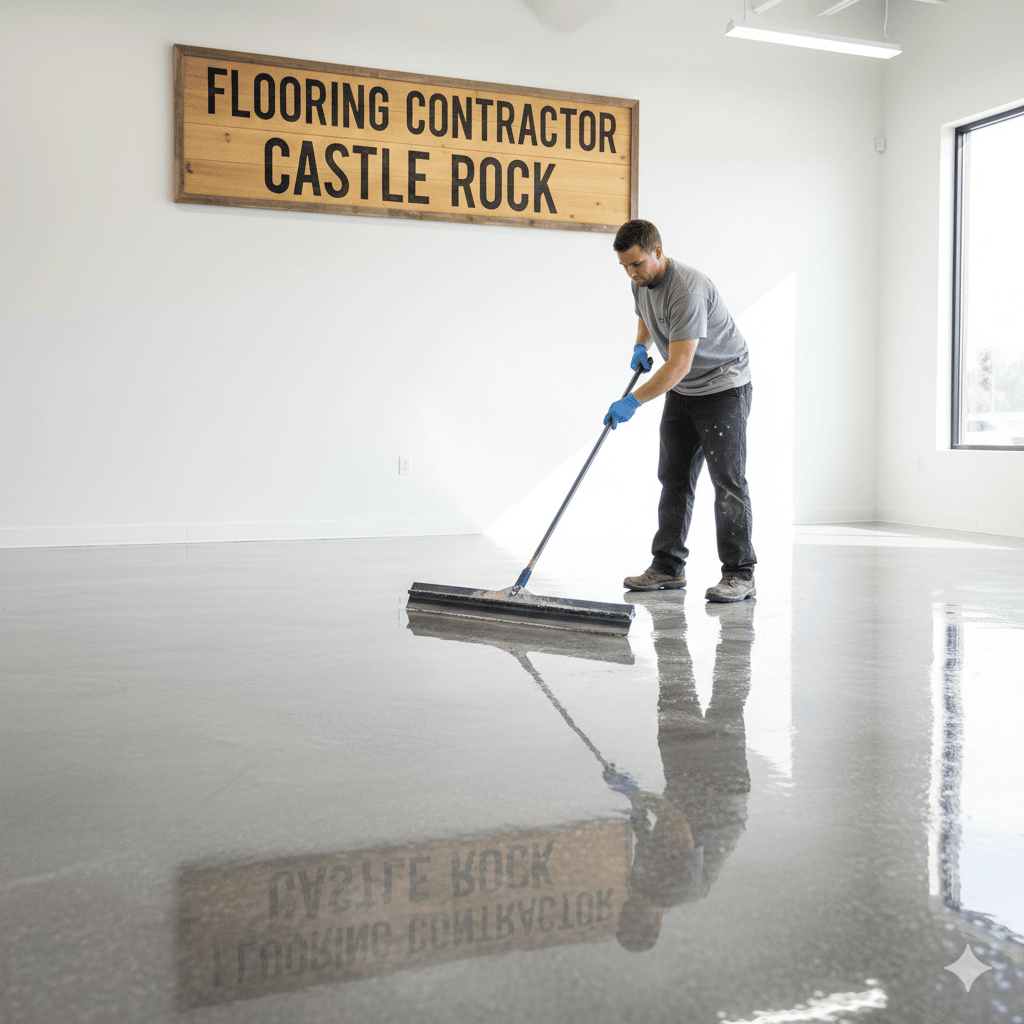
You have a beautiful new resin floor. How do you keep it that way? Maintenance is straightforward. That is a selling point.
Regular cleaning matters. Sweep or vacuum to remove loose dirt. You don't want that grinding into the surface. Mop with mild soap and water. Nothing fancy is needed. Avoid harsh chemicals. They can dull the finish. Protect that shine!
Clean spills quickly. Resin resists stains. But the longer a spill sits, the more likely it will cause a problem. Resin is tough, but not indestructible. Heavy objects can scratch it. Use furniture pads under anything on the floor.
Consider a maintenance coat every few years, especially in busy areas. This is a thin layer of resin over the existing floor. It refreshes the finish and adds protection. This extends the life of your floor. It's a small investment that pays off. Think of it as preventative care.
Let's recap the essentials. Getting your space ready for resin flooring is key. Seriously. You can have the best resin and installers, but poor prep work will cause problems.
First, make sure your existing floor is clean. Really clean. No dust, grease, or old coatings. These things stop the resin from bonding. Grinding the surface helps the resin grab on.
Next, repair cracks or damage. Resin highlights imperfections if you don’t fix them first. Leveling compounds can help.
Moisture is bad. Test the concrete slab to make sure it’s dry. If it’s not, you’ll have adhesion problems later. Nobody wants that.
The goal is a clean, solid, and roughened surface. It takes time, but it's worth it. Poor prep work is a common mistake, and it costs more later.
Want to get it right? We handle flooring installation in Castle Rock and nearby areas. Contact us for a free consultation, and we'll start your resin flooring project the right way.