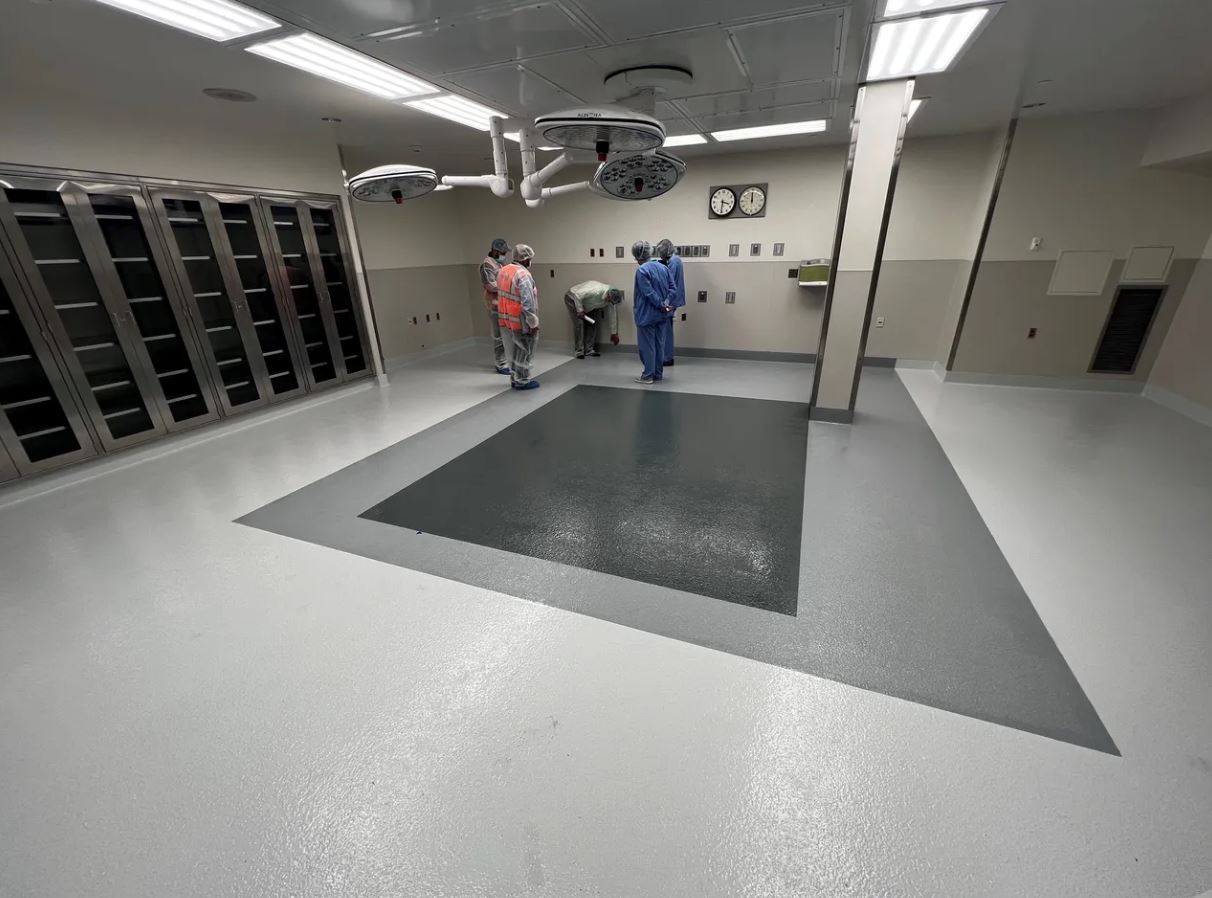
Flake flooring systems involve adding decorative flakes to a wet epoxy coating. These colorful vinyl or epoxy chips create a textured floor that looks great in high-traffic areas, like garages, warehouses, and commercial spaces.
You have many choices. Select different flake types and densities to control floor coverage. Then, add a topcoat to seal everything. Flake systems aren’t just for show. They add function. They hide concrete imperfections, which helps if you have an older floor.
Here is why surface moisture matters. You must check the concrete's moisture levels before applying epoxy. Trying to find a reliable Flooring Contractor in Denver business owners rely on for durable floor coatings.. If too much moisture is trapped, the epoxy won’t bond.
What happens if you skip this step? Expect bubbles, peeling, and system failure. No one wants that, especially homeowners with new garage floors, property managers maintaining commercial spaces, or contractors protecting their reputations.
Moisture testing is non-negotiable. Do it right, or you will pay later.
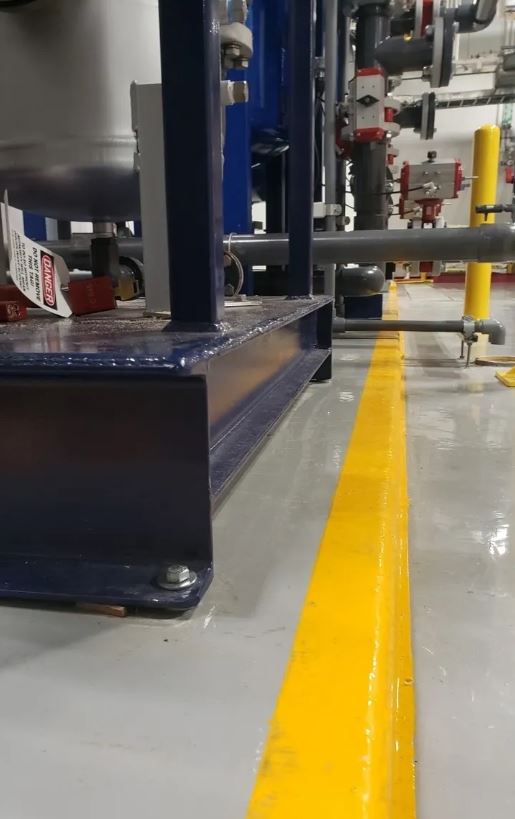
Flake flooring is a popular choice. A typical flake floor has three main parts. First, the base coat is the foundation. It is usually an epoxy or similar resin. Then come the decorative flakes, spread over the wet base coat. Finally, a clear topcoat seals everything. It protects the flakes and provides a smooth, durable surface.
Why choose flakes? They are tough. They can handle a lot of foot traffic and resist wear. This is great for homeowners tired of worn carpets and commercial property owners needing floors that last.
Looks are another big plus. Flake floors look good. You can change the color and size of the flakes to match your style or branding. Plus, they hide flaws in the concrete below. This is a huge win if you're dealing with an older garage or warehouse floor.
For homeowners, this means a garage that looks less like a garage and more like an extension of your living space. For commercial property owners, it means a professional, clean look that can handle heavy use. Real estate investors can use flake floors as a way to increase the appeal and value of a property at a low cost. For contractors, it's a reliable system that delivers consistent results when installed right.
Epoxy and other resinous flooring systems don't like moisture. The hardening of epoxy, or curing, can be ruined by too much moisture. Water stops the polymer chains from linking together correctly. It's like trying to build a brick wall in the rain; the mortar won't set. This can make the floor coating weak and prone to issues later.
Bubbling is a common issue when applying flake systems over damp concrete. When the floor heats up, moisture under the epoxy turns to vapor. This vapor pushes through the coating, making bubbles. These bubbles look bad and weaken the floor. Over time, these weak spots can crack and damage the flake system more.
Too much moisture stops the epoxy from sticking to the concrete. Epoxy needs a clean, dry surface to stick well. Moisture makes a barrier that stops the epoxy from getting into the concrete. This makes the bond weak, and the epoxy layer can separate from the concrete. When this happens, the whole flake system can fail, and repairs can be costly.
Moisture can still hurt the look of a flake floor, even if it doesn't cause structural issues right away. Moisture can discolor or cloud the epoxy. It can also change how the decorative flakes look. Instead of a smooth finish, you might get a blotchy surface. This ruins the point of using a flake system to make the floor look better.
Ignoring moisture before applying a flake system can cost you money. If the floor fails early, you will need repairs or a new floor. This includes the cost of materials, labor, and lost time. Testing and fixing moisture issues first is cheaper than dealing with a failed floor. It helps make sure the flake floor lasts long, looks good, and works well.
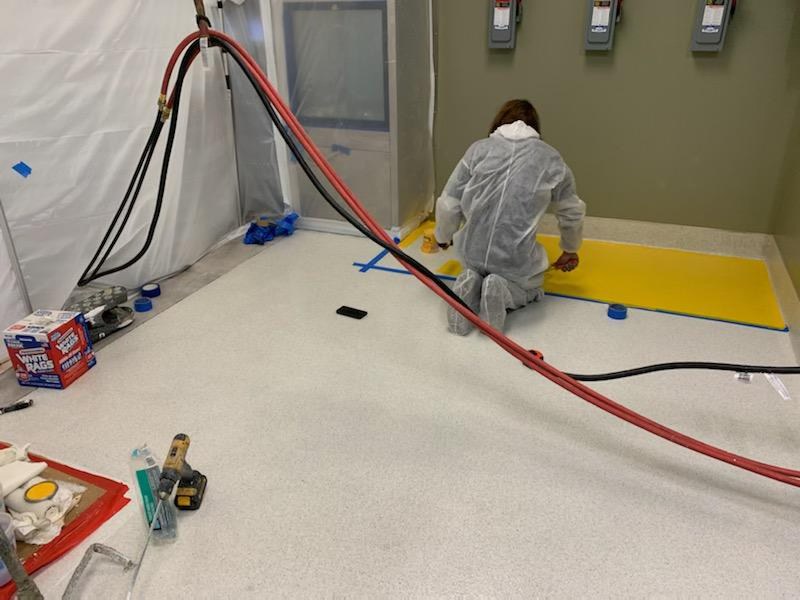
Before you apply a flake system, check for moisture. Moisture harms concrete and ruins epoxy and flake jobs. Skipping this step invites floor failure.
So, where does moisture come from? Here are some common sources:
Groundwater: Water seeps up from the ground, mainly in basements or slabs on grade. A basement floor that always feels damp likely has groundwater issues.
Leaks: Leaks from plumbing, roofs, or nearby landscaping can saturate a concrete slab. A leaky pipe under your kitchen sink soaks into the concrete floor.
Spills: Chemical or water spills that aren't cleaned quickly can get into the concrete. Liquids spilled in a warehouse and mopped up add moisture over time.
Condensation: Warm, moist air meets a cold concrete surface. Warm, humid air hits a cool concrete garage floor, and condensation forms.
Inadequate Vapor Barriers: These should stop moisture from rising through the concrete. If damaged or missing, moisture moves upward. A new home with a torn vapor barrier during construction is a problem.
Ignoring these sources causes problems. Epoxy doesn't bond well to wet concrete. This leads to bubbles, peeling, and a failing floor. Spotting these issues beforehand saves time, money, and headaches.
Before you install those flakes, check the concrete's moisture level. Too much moisture prevents the epoxy from bonding. This leads to bubbles and peeling. No one wants that.
How do you check? There are a few options. Moisture meters are common. They use electrical resistance to measure moisture near the surface. They are quick and easy, but they only show what's happening on top.
Next, calcium chloride tests exist. You place a dish of calcium chloride under a sealed dome on the concrete. The calcium chloride absorbs moisture over a set period, often 24 to 72 hours. Weigh it before and after to see how much water it absorbed. This provides a moisture vapor emission rate. It is more precise than a meter, but it takes longer.
You can also use relative humidity probes. Drill a small hole in the concrete and insert the probe. It measures the humidity inside the concrete slab. This is a precise method. It shows the moisture deep inside.
Industry standards require moisture levels below a threshold before you put down epoxy. For calcium chloride tests, that is often around 3 pounds per 1000 square feet per 24 hours. For RH probes, it is usually below 75%. If you exceed these limits, the flake system will not last. You will have to redo it sooner than you want.
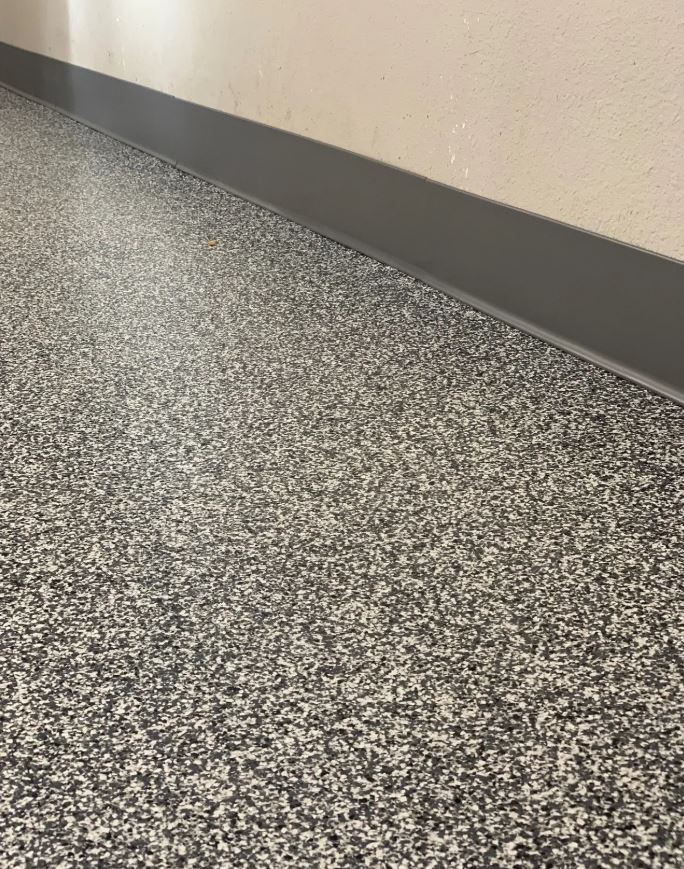
Before you install a flake system, check the surface moisture. This step is important. If you skip it, the flakes might peel later.
There are two main ways to test for moisture: a moisture meter or a calcium chloride test. A moisture meter is faster. However, a calcium chloride test is more accurate.
**Moisture Meter:** First, make sure the surface is clean. Turn on the meter and press it against the concrete. Take readings from different spots on the floor. Most meters show a percentage. Look for a reading below the epoxy manufacturer's recommendation. This is often around 4-5%, but check!
**Calcium Chloride Test:** This test takes longer, often 24 hours. You need a special kit. Follow the instructions. You measure how much moisture the calcium chloride takes from the concrete. The kit helps you calculate the moisture vapor emission rate (MVER). Then, compare this to the epoxy manufacturer's specifications.
What if the moisture level is too high? Don't apply the epoxy! Find the source of the moisture and fix it. Improve ventilation, repair leaks, or apply a moisture barrier. Ignoring high moisture levels can cause problems.
You tested your concrete slab for moisture. Good job! What do the numbers mean for your flake floor? You want the go-ahead to keep going.
You want moisture levels below a limit before you put on epoxy. For most flake systems, relative humidity (RH) should be less than 75% with a probe test. With a calcium chloride test, look for less than 3 lbs per 1000 sq ft over 24 hours. These are general rules, so check what your epoxy and flake system require.
What if your numbers are too high? Putting epoxy over a wet slab can cause problems. You might see bubbles or peeling, and even mold later. No one wants that.
If your moisture test is high, don't worry! You have choices. You might need a moisture vapor barrier or more drying time for the concrete. Better airflow in the space might be enough. After fixing the issue, test again to make sure moisture is okay for the flake system.
You have a concrete slab and want to install a flake floor. Great! First, check the moisture level. Why? Too much moisture from the concrete prevents epoxy and flakes from bonding. This leads to bubbles and peeling. Fixing it later costs more than dealing with it now.
How do you handle moisture? First, vapor barriers. These plastic sheets go down before pouring concrete. If the slab exists, this isn't an option. Next: moisture-tolerant primers. These primers bond to concrete even with some moisture. They help, but aren't magic.
Then comes dehumidification. You use dehumidifiers to remove moisture from the air and slab. This takes time and might not suffice for serious moisture problems. Cost-wise, vapor barriers are cheapest when installed first. Primers cost a bit more, and dehumidification can increase your electric bill. Vapor barriers prevent problems best. Primers work for minor issues. Dehumidification supports, but doesn't solve the problem alone. Ignoring moisture costs the most. You will redo the floor sooner.
Defining acceptable moisture levels is vital for successful flake flooring projects. Generally, moisture content should be below a specific threshold recommended by the flake and epoxy manufacturers. Exceeding these limits necessitates mitigation strategies like moisture barriers or dehumidification before commencing the flake application process.
Prior to applying any flake flooring system, assessing the surface moisture content is paramount. Excessive moisture can severely compromise the adhesion of the epoxy or resin base, leading to delamination, bubbling, or complete failure of the flake floor. Accurate moisture testing ensures a strong, durable, and long-lasting flake floor.
Several methods exist for accurately assessing surface moisture levels. Electronic moisture meters provide quick, non-destructive readings, while calcium chloride tests (anhydrous) offer quantitative measurements of moisture vapor emission rates. Understanding the advantages and limitations of each method is crucial for selecting the appropriate testing protocol.
Let's examine real-world examples. We see flake flooring jobs fail quickly when moisture isn't checked.
Consider this warehouse project from last year. It was a big space, and the client wanted it done fast. We almost skipped the moisture test to save time. Luckily, we didn't! The concrete slab had very high moisture levels. If we had applied the epoxy and flakes, it would have bubbled and peeled within months. That would have been a huge problem.
Instead, we installed a moisture control system before the epoxy. It added a few days to the schedule but saved us and the client money and trouble.
There was also that garage floor downtown. It looked and felt dry, so we skipped the moisture test. That was a mistake. Within weeks, the epoxy started lifting. We had to remove it and start over, which cost us materials and labor. It was embarrassing and costly.
The lesson? Don't take chances. Always check surface moisture. Use a good moisture meter. If levels are high, fix it before you apply the flake system. It’s the difference between a floor that lasts and one that fails fast. Take my word for it.
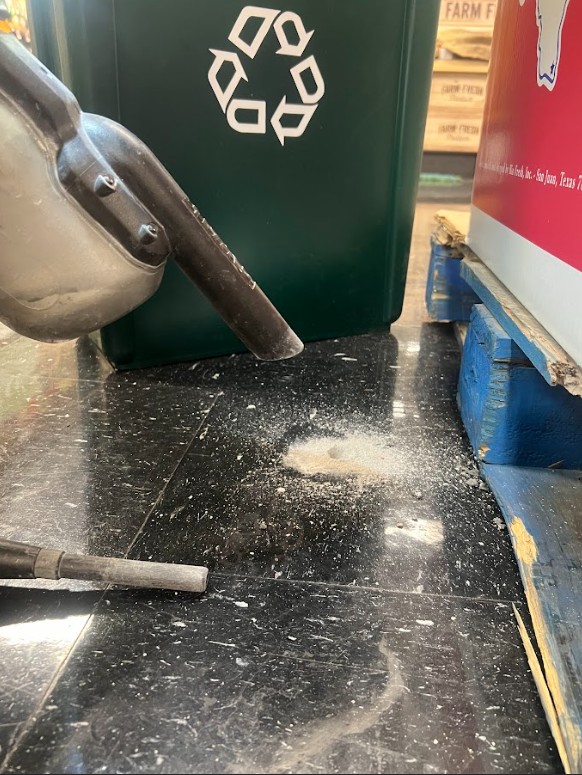
Thinking about a flake floor? Great choice. Before you consider those colorful flakes, you must address moisture. That means finding the right contractor.
Don't pick the first name you see. Denver has good contractors, but some might cut corners. You want someone who understands moisture assessment and how to correct any issues.
How do you find this expert? Ask questions. For example: "How much experience do you have with moisture testing?" "What flooring and moisture control certifications do you have?" "Can you explain your testing procedures?" Ask detailed questions, even if you don't know all the answers.
Here is why: A flake system over moisture is a recipe for disaster. Bubbling, peeling, and floor failure are possible. Fixing it will be expensive. Doing your homework on the contractor is cheaper than redoing the floor later. It’s worth it.
Ask for references and call them. A good contractor will share them. If they hesitate or can't provide any, that's a red flag. Trust your instincts. A little extra work now can save you trouble and money later.
Keep flake flooring in good shape and prevent future moisture issues with these steps. Regular cleaning is key. Dirt and grime can wear down the topcoat, which makes it easier for moisture to get in.
Clean up spills right away. Don't let liquids sit, especially if they contain acids or harsh chemicals. These can stain or harm the epoxy and flake layers.
Ventilation matters too. Ensure good airflow, especially in areas that tend to be damp, like garages or basements. Airflow prevents moisture from building up under the floor.
Ongoing checks are also important. Watch for damage like cracks, chips, or discoloration. These could mean moisture is getting in. Periodic moisture checks are also smart, especially in Denver, where temperatures change a lot.
Denver's climate creates specific issues. Seasonal changes affect moisture levels. Snow and ice can melt and seep into cracks in the winter. Humidity can cause condensation in the summer. Pay close attention during these times. Address any issues fast to prevent bigger problems. Ignoring them can mean costly repairs later.
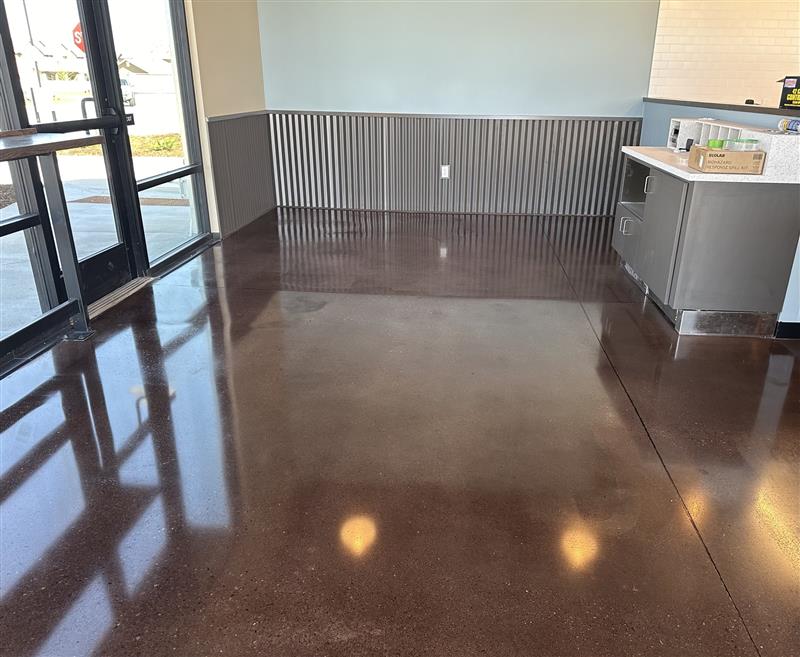
Surface moisture matters a lot for flake flooring. It is very important. If you skip this step, you risk future problems. These problems include bond failure, bubbling, and peeling. No one wants that.
Before you install decorative flakes, check the moisture levels. Too much moisture under the epoxy can cause issues as it tries to escape. You are sealing in a problem that will worsen. Test and retest. Use the right tools and follow standards. Do not guess, or you may have problems.
The main point is simple: moisture control is a must. It is part of the flake flooring process. Do it right, and you will have a nice floor that lasts. Skip it, and you will face costly repairs and issues.
Whether you are a homeowner updating your garage, a property owner needing a tough floor, or a contractor handling a project, we can assist. Do not take chances. Reach out for a consultation and we can talk about your needs and how to ensure a lasting flake floor. We can provide a free quote and guide you through each step.