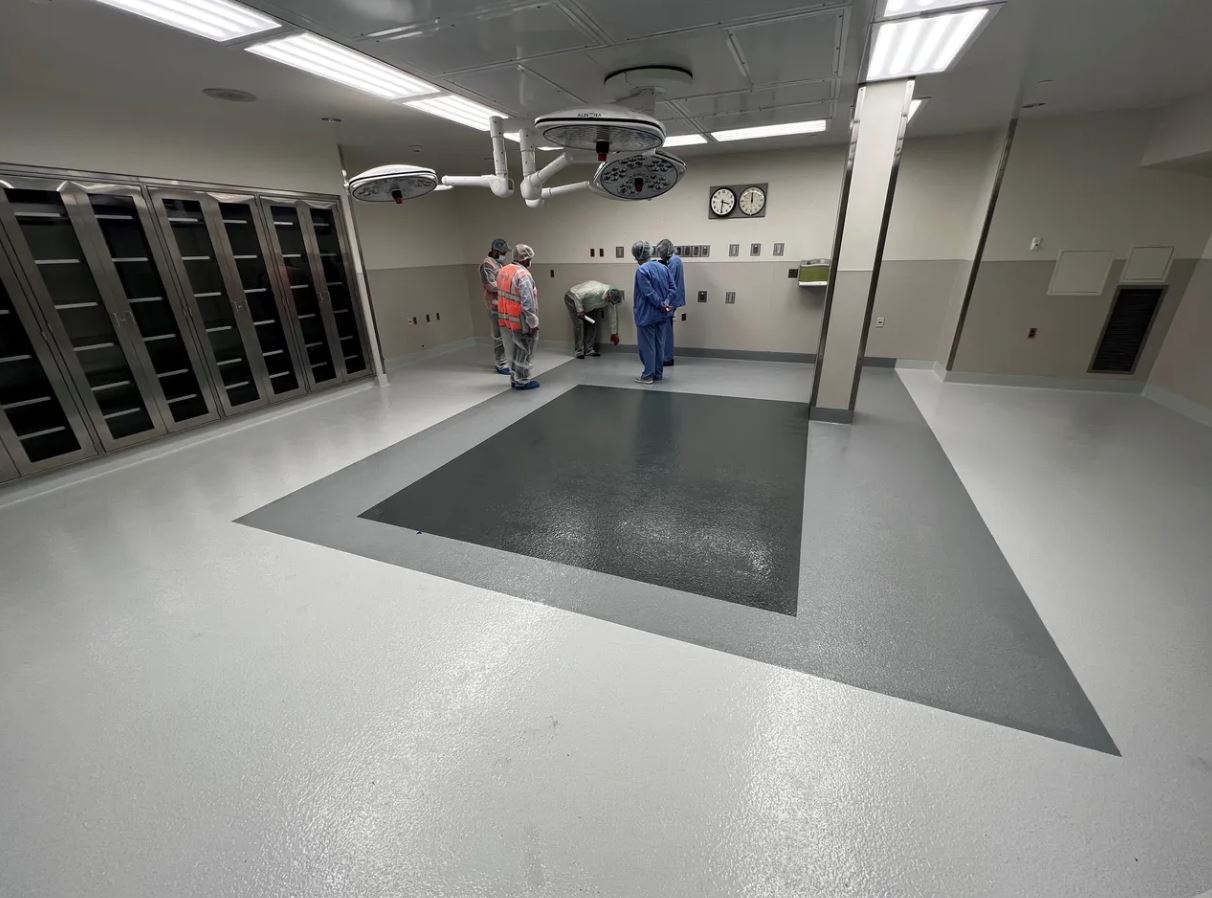
Let's talk about concrete moisture and resin coatings. It's very important. If concrete isn't dry before you apply resin, expect problems. Bubbling can occur, where the coating lifts. Delamination, or separation of the coating from the concrete, can also happen. Ultimately, the coating can fail. No one wants that.
Why does this occur? Moisture trapped in the concrete tries to escape after you seal it with resin. Escaping moisture creates pressure, and that pressure forces the coating to release. It's like holding a beach ball underwater. Eventually, it pops up.
This isn't just cosmetic. Need a reliable Flooring Contractor in Denver residents depend on for professional flooring services.. A failed coating can cause water damage to the concrete or even mold. Plus, you must redo everything, costing more money and time. So, ensure proper moisture levels beforehand. It's a worthwhile investment and will save trouble. Trust me.
Where does the moisture in concrete come from? A lot of it is the water used when mixing the concrete. That makes sense. But there are other sources. Groundwater can seep up from below, especially without a vapor barrier. Humidity in the air can also get absorbed by the concrete.
This moisture moves around inside the concrete slab, like a sponge. We call this movement moisture vapor transmission, or MVT. MVT measures how much moisture goes to the surface.
Here is why MVT matters for resin coatings. If you apply a resin coating before the concrete is dry, the moisture tries to escape. But it is trapped under the coating. This can cause problems, like bubbles or blistering. The coating could even fail and peel off. No one wants that. So, understanding MVT is key to a long-lasting resin floor. You must get the moisture levels right.
Before you pour resin, moisture testing is a must. Trapped moisture causes coating failure. Expect bubbling, peeling, and an ugly floor. It's like putting a lid on simmering water. Pressure builds, and something has to give. Save yourself trouble and money. Test first!
There are two main test types: qualitative and quantitative. Qualitative tests are quick methods. Plastic sheet tests visually check for condensation. They're okay for a basic idea, but not reliable. Quantitative tests, like electronic moisture meters or calcium chloride tests, give you numbers. These tests provide accurate results. They tell you the precise moisture vapor emission rate (MVER) or relative humidity in the concrete.
Denver's climate adds a challenge. The dry air can trick you into thinking the concrete is dry when it is not. Also, freeze-thaw cycles can push moisture deeper into the slab. Concrete is like a sponge. It soaks up moisture from the ground and the air. Denver's changing temperatures make this worse. Do not assume anything. Always test. Denver concrete needs extra care.
A common idea is that if the surface feels dry, it is ready. Wrong! Moisture can hide beneath the surface. Another idea is that new concrete is always dry. New slabs can take weeks or months to cure and release moisture. Do not think that climate control means the concrete is dry. Always check with a test.
Skipping the moisture test is a risk. If you apply resin to concrete with too much moisture, expect delamination. The resin will not bond well. This leads to bubbles and peels. You will have a bad floor, wasted materials, and a big repair bill. Testing takes a little time but pays off with a lasting, nice resin floor.
Before applying any resin coating, accurate concrete moisture testing is crucial. Excessive moisture can lead to coating failures such as blistering, delamination, and bubbling. Understanding the moisture content ensures proper adhesion and longevity of the resin coating, protecting the concrete substrate.
If concrete moisture levels exceed acceptable limits, remediation steps are necessary before coating application. These may include allowing additional drying time, using dehumidifiers, or applying moisture mitigation systems. Addressing high moisture content is critical to preventing future coating failures and maintaining structural integrity.
Several methods exist for measuring moisture levels in concrete, including moisture meters, calcium chloride tests, and relative humidity probes. Each method offers different levels of accuracy and suitability depending on the project requirements. Selecting the appropriate method ensures reliable data for informed decision-making.
Before you apply that resin coating, check the moisture in your concrete. Otherwise, you risk bubbles and peeling. Several methods exist, each with advantages and disadvantages.
One common method is Relative Humidity (RH) testing, per ASTM F2170. You drill a small hole into the concrete. Then, you insert a probe to measure the humidity inside the slab. This provides a more precise view of the overall moisture than surface checks. It works well, but requires drilling, and you must wait for the reading to settle.
Next is the Calcium Chloride (CaCl2) test, also known as an anhydrous calcium chloride test (ASTM F1869). This means placing a pre-weighed dish of calcium chloride on the concrete surface under a sealed dome. After a set time (often 72 hours), you weigh the dish again. The weight gain shows how much moisture the concrete releases. It is simple, but only measures surface moisture and ambient conditions can affect it.
Electronic moisture meters offer a fast way to get a reading. Some touch the surface, while others use pins for a deeper reading. The surface ones work for fast checks, but lack the precision of RH testing. Pin-type meters show the moisture gradient within the concrete, but accuracy differs across brands.
The best method depends on your project's size. For smaller jobs, a good electronic meter may work. For larger commercial projects, RH testing often works best. Also, think about destructive versus non-destructive testing. Drilling a hole damages the concrete, but may prove needed.
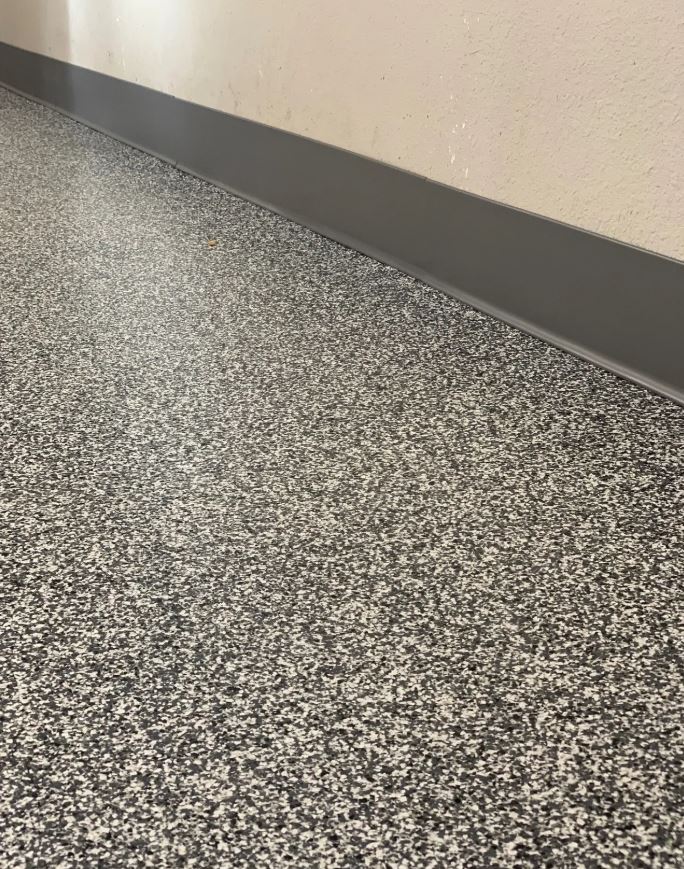
Before you apply that resin coating, you must understand the concrete's moisture. Different resin coatings have different tolerances. Find all that information on the manufacturer's data sheets. Read them!
Generally, you're looking at relative humidity (RH) readings, calcium chloride tests (CaCl2), and the Moisture Vapor Emission Rate (MVER). RH tells you the humidity inside the concrete. A common target is often below 75% RH, but check your coating's requirements.
CaCl2 tests measure how much moisture rises to the surface over time, in pounds per 1000 square feet per 24 hours. MVER is the same idea as CaCl2, just measured differently. If those numbers are too high, your resin won't bond right. You'll get bubbles and peeling. If your test results are off, you might need moisture reduction steps before applying the resin.
Your concrete is too damp for a resin coating. What now? You have three main ways to handle this: moisture vapor barriers, mechanical drying, or chemical drying agents. Each option has pros and cons.
Moisture vapor barriers block moisture from rising. They work well as a preventative step, mainly in new builds. However, if you have current moisture problems, they might not suffice alone, and installation can be costly later.
Mechanical drying is simple. Use big fans and dehumidifiers. It costs less upfront than vapor barriers, but it takes time, and you must run equipment constantly. Also, it only works if you address the moisture source. Otherwise, you could be drying forever!
Chemical drying agents react with the moisture in the concrete. They can work, but application requires care. It's easy to mess up the chemical mix or apply it unevenly, which causes later problems. Also, the product can be costly.
If you're in Denver, remember our climate. We have big temperature swings and low humidity. This affects how fast concrete dries and how well each method works. For example, mechanical drying might work faster here than in a more humid climate, but temperature swings can add new moisture if you aren't careful.
Before you apply that resin coating, prep the concrete well. The better the prep, the better the final look and its lifespan.
First, cleaning. Don't just mop. Be aggressive. Grinding removes old coatings or stubborn dirt. Shot blasting is more intense; it opens the concrete pores, which is what you want.
Got cracks? Fix them. Use a concrete repair epoxy. Fill them, let it cure, and grind it smooth. Otherwise, the resin will sink into the cracks later, and you’ll have a mess.
Uneven spots? Self-leveling concrete works. Pour it, spread it, and let it do its job. It'll provide a flat surface.
Profiling is important. You want the concrete to have some "tooth," a rough surface. This gives the resin something to grab. Grinding or shot blasting creates the right texture. Skip this, and the resin might peel or flake off. No one wants that.
Several resin coatings exist, and each works best for specific uses. Epoxy is a typical choice. It is strong and resists chemicals. It works well in garages and industrial spaces, but it is less flexible than other choices. Polyurethane coatings offer better flexibility and resist UV rays. That makes them good for areas in sunlight. Polyaspartic coatings cure fast and last a long time.
Picking the right coating involves more than looks or price. You must pick one that handles the moisture levels in your concrete. Some coatings will not bond if the concrete is too damp. That can cause bubbles or peeling. The coating could fail completely. Nobody wants that!
Coatings handle moisture in different ways. How do you make the right choice? Get expert advice. A flooring contractor can check your situation and test your concrete's moisture. They can suggest the best resin coating for what you need. They know the local climate and how it affects concrete. That is a big plus.
Thinking about a resin coating? Great. Will you do it yourself, or hire someone? That's the key question.
DIY looks cheaper at first, right? You watch videos, buy materials, and get started. But resin is tricky. Mixing wrong, skipping prep, or incorrect thickness are common mistakes. These mistakes can be costly to fix. You might have to rip it all out and start over.
A flooring contractor in Denver brings a lot. First, they have experience. They have done this many times. They know how concrete reacts, what products work, and how to handle surprises. Second, they have equipment. Resin needs special tools to mix and apply. Pros have these tools. You likely do not. Third, they offer a warranty. If they mess up, they fix it. If you mess up, you pay.
Here is why a pro might cost more upfront: they can save you money by avoiding DIY disasters. Plus, you get a better-looking, longer-lasting floor. Nobody wants a resin floor that peels or cracks six months later, especially in a commercial space.
Let's examine some Denver projects where getting the moisture right before the resin application made all the difference. We've seen some real wins, and some real problems when moisture was ignored!
Consider the LoDo loft conversion we did last year. The client wanted a glossy, even floor. We tested the slab and found too much moisture. We used a moisture control system before applying the resin. The result? A perfect, lasting floor that the client, Sarah J., loves. She says, "The floor is stunning, and I haven't had a single problem. They really knew their stuff when it came to concrete." That's what we like to hear.
Then there was the microbrewery in RiNo. It has high traffic and many spills, so they needed something tough. Again, moisture was high. We used a different control approach because of the brewery's specific needs. We even added extra thickness to the resin to handle the wear. The owner, Mark, told us, "We've had this floor for over a year now, and it still looks brand new. Spilled beer, dropped kegs, nothing seems to hurt it."
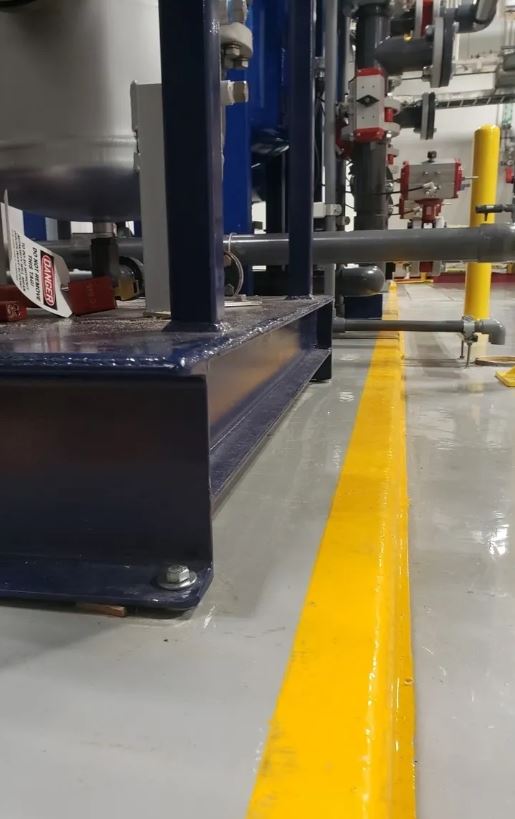
The key? Don't skip the moisture testing and control. It's not just an extra step; it's the base for a successful, long-lasting resin floor. We've seen floors bubble, peel, and fail when moisture is ignored. It's a costly mistake that's easily avoided.
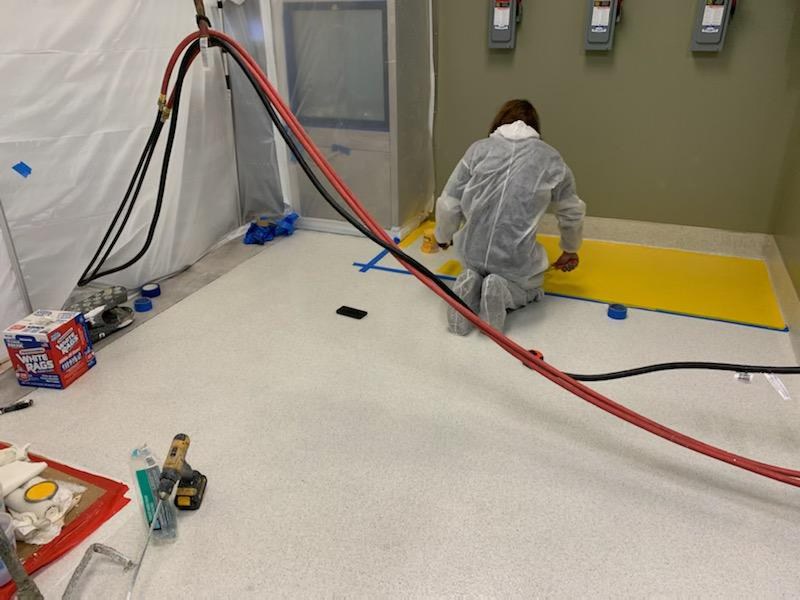
You have concrete, and you want to add a resin coating. Good plan! But moisture can cause problems, especially with Denver's temperature swings. People often ask, "How long does concrete *really* take to dry?" It's not precise. New concrete needs *at least* 28 days, usually. Existing concrete depends on humidity, temperature, thickness, and any vapor barrier underneath.
Can you put resin over damp concrete? No. Big mistake. You'll regret it.
What happens if you ignore this? The resin coating won't stick. Expect bubbles, peeling, and blisters. This is moisture-related coating failure. It's ugly and costly to fix. We often see it because people hurry.
Look for these signs: a soft coating, discoloration, or white powder underneath. If you see any of that, stop and get it checked. It's better to be safe, especially with Denver's weather.
Measuring Resin Coating Thickness: Critical Metrics for Optimal Performance
When you apply resin coating, keep a few things in mind for a good, lasting floor. Mixing is important. Follow the maker's directions exactly. Don't guess. If you mess up the amounts, the coating won't dry right, and you'll get a sticky, uneven mess.
Rolling is simple, but you need the right roller. A notched squeegee works well for coatings that smooth themselves out. Even spread is the main thing. You want a steady thickness, and that takes practice. If it's too thin, it wears out fast. If it's too thick, it might not dry all the way.
Coatings that smooth themselves out are neat because they fix flaws, but they're harder to use. Pour with care and move the material where it should go. Watch for bubbles!
How long it takes to dry is also key. Heat and wetness change how long it takes for the resin to harden. If you go too fast, you'll have issues later. You want a smooth, stain-proof floor that can handle anything, whether it's in your living room or a busy warehouse. You want something that lasts, yes?
Getting a great resin coating right takes skill and know-how.
Keep in mind, controlling wetness helps resin coating last. Don't skip that! It helps your floor last longer. For help from pros, mostly if you're near Denver, talk to a flooring expert.
[Contact for Estimate]